
Children’s lunch box for school and picnics
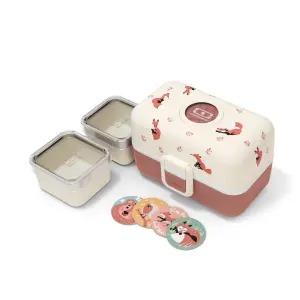


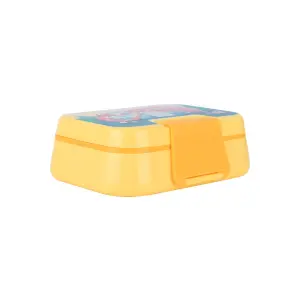
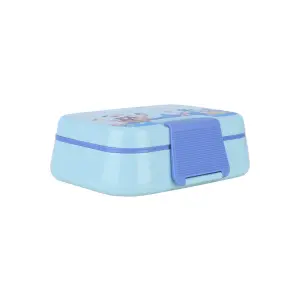
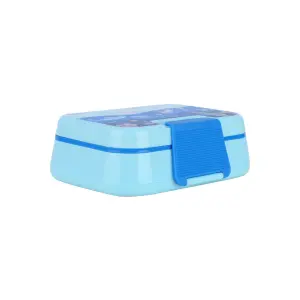
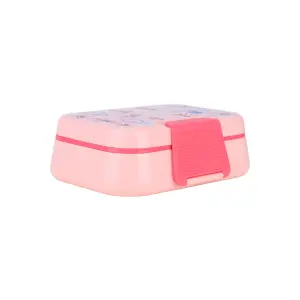
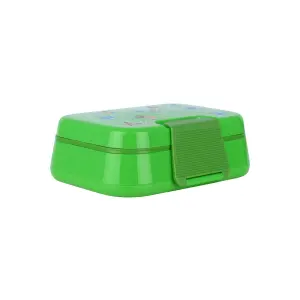
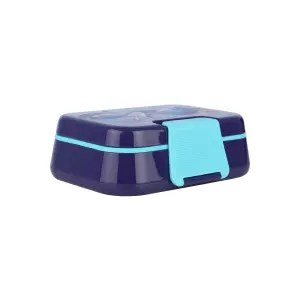
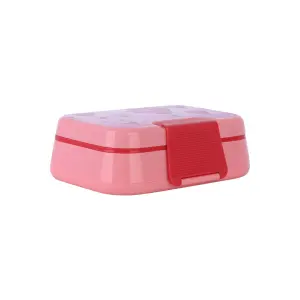
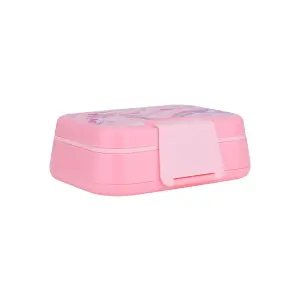
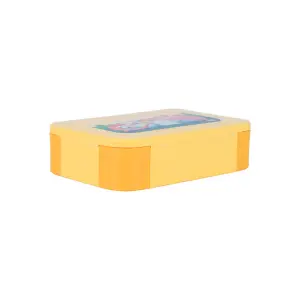
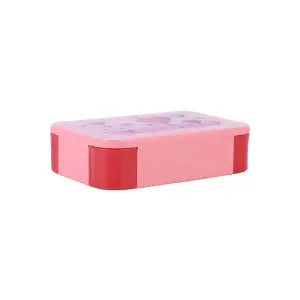
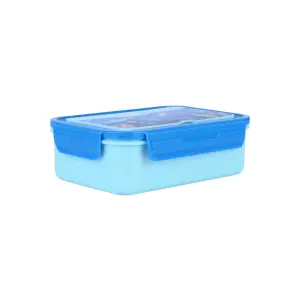
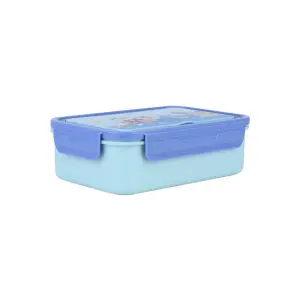
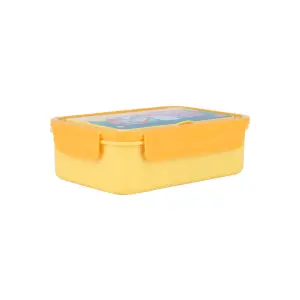
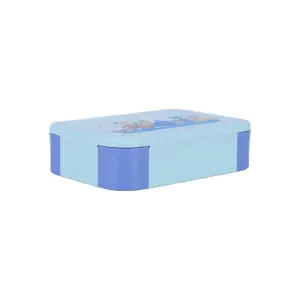
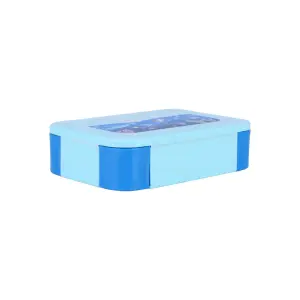
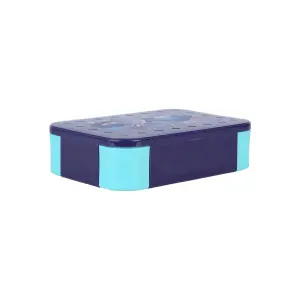
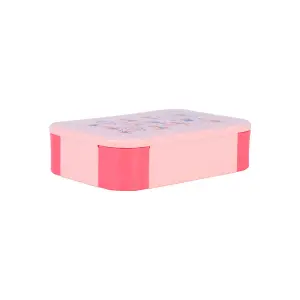
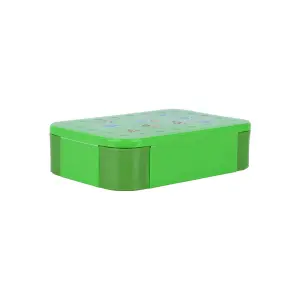
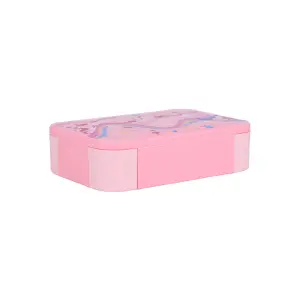
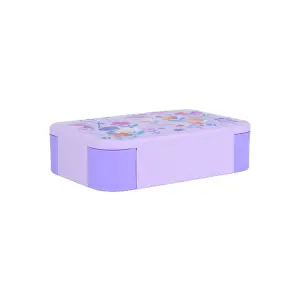
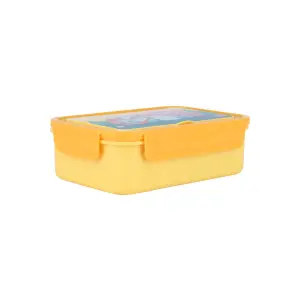
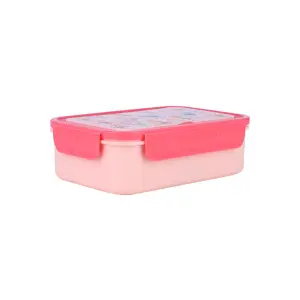
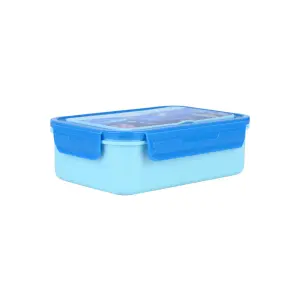
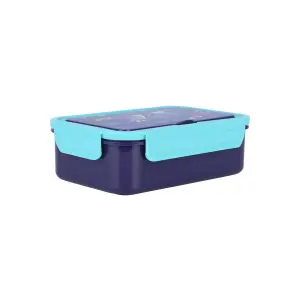
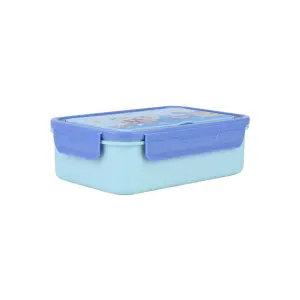
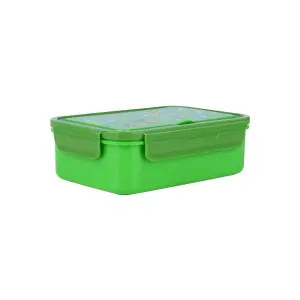
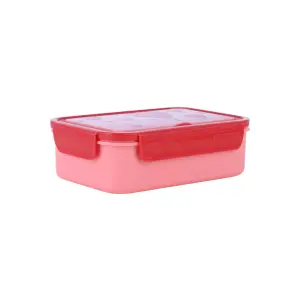
A children's lunch box carries lunch for the holiday club, a snack for break time or a packed lunch for a school trip. A bento-style box with compartments, a durable stainless steel box or an insulated container: it needs to seal without leaking, be easy for little hands to open and keep food fresh until lunchtime.
Lunch, neatly packed until midday.
Compartment lunch box, stainless steel or insulated
- The compartment lunch box, inspired by the Japanese bento, keeps the starter, main course and dessert separate: the food doesn’t get mixed up, and children can see their whole meal at a glance.
- The stainless steel lunch box is sturdy, doesn’t retain smells or tomato sauce stains, and lasts for years; however, it should never go in the microwave.
- The BPA-free plastic box is the lightest option. Some can go in the microwave if the symbol says so, as long as you remove the lid before reheating.
- The glass version can be reheated without any problems, but it’s heavy and fragile for a young schoolchild.
Water bottle, flask and tableware to complete the meal
A packed meal needs several containers. Water bottles provide water for the day, while a flask keeps food hot. For meals at home, a tableware set brings together a plate, glass and cutlery; a bowl is handy for cereal and soup, and cups go with snacks for younger children. Stainless steel tumblers are handy for picnics and can be found in other products.
Keep the meal cool until lunchtime
A meal prepared in the morning spends several hours in a school bag or locker, often at room temperature. Put the lunch box in an insulated bag with an ice pack, and take the food out of the fridge at the last minute. Meat, fish, eggs, cooked rice and dairy products need the most care.
For a hot meal, a lunch box isn’t enough: a vacuum flask, warmed with boiling water and then filled with piping-hot food, will keep the meal at a safe temperature until lunchtime. At the end of the day, throw away anything that hasn’t been eaten rather than serving it again the next day.
Put together a balanced packed meal
A complete meal has four parts: a starchy food for energy, such as pasta, bread or a rice cake; a source of protein; raw or cooked vegetables; and a piece of fruit or a dairy product. Compartments make it easy to get the proportions right.
For a child, go for easy-to-eat bites they can pick up with their fingers: rolled and sliced wraps, vegetable sticks, cheese cubes, meatballs or mini quiches made at home. Prepare the ingredients that keep well the night before, and get your child involved in choosing the recipes: a meal they’ve put together rarely comes home untouched.
Lunch box deals before the new school year
Lunch box purchases usually happen at the start of the school year or before the first school trips. Black Friday baby and childcare deals and the festive season are good times to give one as a gift with a matching water bottle, while the winter baby and childcare sales are a chance to replace a cracked box. The spring French Days and summer sales come before picnic season, followed by the start of the school year and a return to after-school clubs. The latest models can be found in new baby and childcare products.
Frequently asked questions
How can you stop a lunch box from smelling?
Wash the box and its seal that same evening, then leave them to dry separately with the lid open. If the smell lingers, scrub with a bicarbonate of soda paste or soak in vinegar water; stainless steel and glass hold on to fewer smells than plastic.
What size lunch box is right for a nursery-aged child?
For a nursery lunch, a box of around 500 to 700 millilitres, divided into two or three compartments, is more than enough. For a simple snack, a small box about the size of your hand fits more easily into a school bag.
Can a child take their lunch box to the school canteen?
As a rule, the school canteen provides its own meals and only accepts packed lunches as part of an individual care plan, for example for a food allergy. Check with the school or local council, which sets the rules for storing and reheating food.
What should you put in the lunch box of a fussy child?
Start with two or three foods they already like, then add just one new food in a small amount and present it in a fun way. Bite-sized food, a range of colours and a dip often encourage children to try more than a standard plate of food.
Is a plastic lunch box safe?
Yes, if it’s certified BPA-free and used according to its symbols. Only put it in the microwave if it’s designed for that, never reheat a fatty dish in plastic, and replace it as soon as it’s damaged or cracked.














