
Cups for babies and children, from sippy cups to mugs
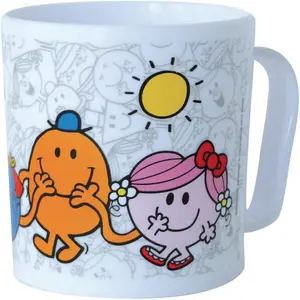


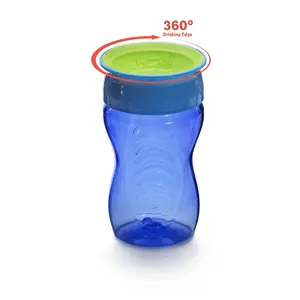
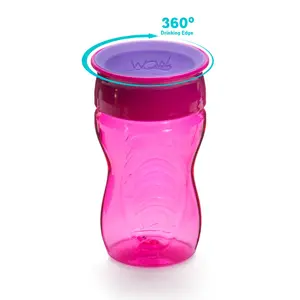
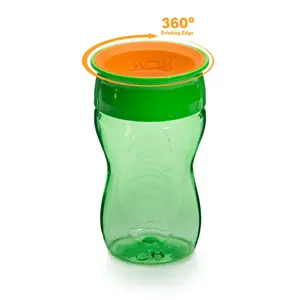
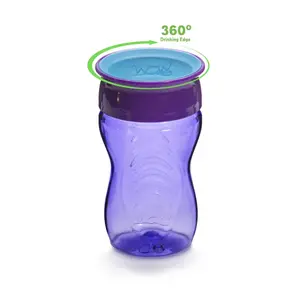
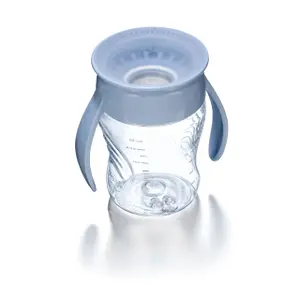
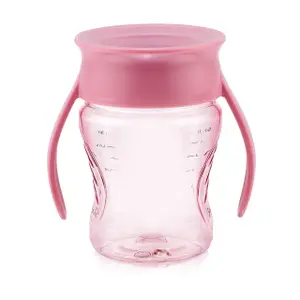
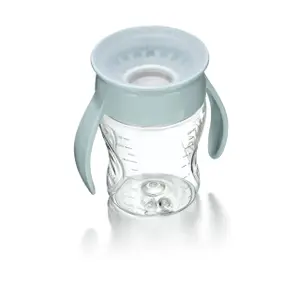
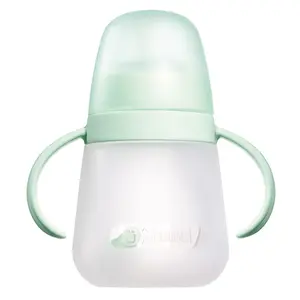
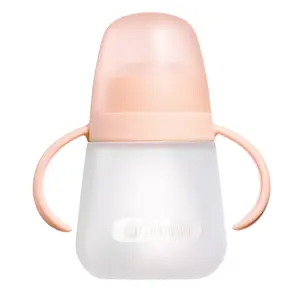
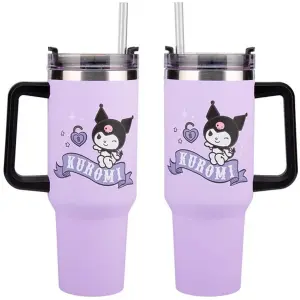

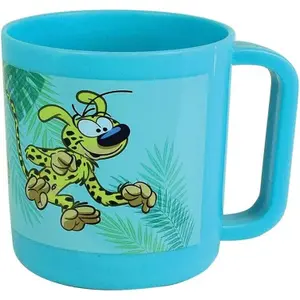
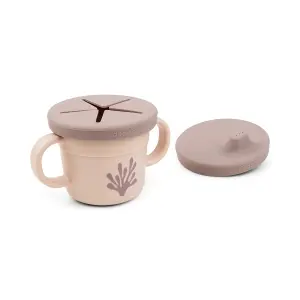
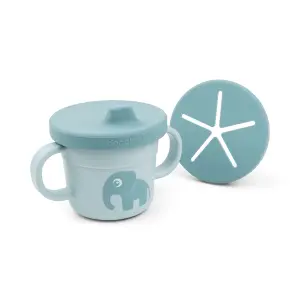
The children’s cup comes in handy at two important stages: when your baby moves on from the bottle and starts drinking independently, and later when they have their milk or hot chocolate at the table like a grown-up. This selection includes silicone spout cups with two handles, training cups, Tritan cups featuring characters from children’s books, and ceramic cups for older children.
A cup for every age, from six months to school age.
Sippy cups, training cups or mugs: which cup at what age?
- At around six months, when weaning begins, a sippy cup with two handles helps your baby drink water independently: the handles are easy to hold with both hands, and the spout helps prevent spills. The Done by Deer designs, available in Tiny farm, Playground and Celebration patterns, are a good example.
- Between one and two years old, a training cup, such as the one from Smikkels, prepares them for an open cup: your child learns to control the tilt without spilling everything.
- From the age of three or four, a one-handled cup, made from Tritan or ceramic, is ideal for breakfast, like the cups from iTotal or the Paw Patrol cup from Fun House.
The rest of your child's tableware
A cup is often part of a more complete set. A tableware set brings together a plate, bowl and cutlery in the same design, making it a handy new baby gift, while a bowl is ideal for cereal and soup. For drinks away from home, water bottles fit in a school bag without leaking, and a flask keeps a drink warm until break time. A lunch box completes a meal to take to school or on a picnic.
Silicone, Tritan and ceramic: materials for children's cups
Food-grade silicone is flexible and won't break if the cup falls off the table; it can withstand heat and is usually dishwasher-safe, making it a good choice for a first cup, like the silicone sippy cups from Done by Deer, a Danish brand founded in 2014. Tritan, a copolyester made without bisphenol A, looks like glass but isn't as fragile: Petit Jour uses it for its Ernest and Celestine cup.
Ceramic is heavier and can break, so it's best for children who can hold their cup securely with one hand. In all cases, check the product details to see if the cup is microwave-safe: melamine, which is commonly used for children's tableware, must not go in the microwave.
Hot drinks and hygiene: how to use a child's cup safely
Always serve warm milk or hot chocolate lukewarm to a young child: their skin is thinner than an adult's, and hot liquids are among the leading causes of burns at home in young children. Test the temperature on the inside of your wrist, place the cup away from the edge of the table and avoid tablecloths that your child could pull towards them.
When cleaning, take the spout and valve apart each time you wash the cup: milk can collect inside and quickly turn sour. A fine bottle brush will clean the spout channel. For water alone, rinsing with hot water between uses is enough, but give the cup a thorough wash as soon as it's been used for juice or milk.
Children's cups on offer throughout the year
A cup makes an easy addition to a gift: Black Friday baby and toddler deals are a chance to add to a new baby gift list, and the festive season makes it a lovely little present to put under the tree. The winter baby and toddler sales, followed by the French Days in spring, are a good time to replace an outgrown sippy cup, before the summer sales and the start of term, when the breakfast cup comes back out. End-of-line designs can be found in the baby and toddler clearance, and new designs in new arrivals.
Frequently asked questions
Are sippy cups bad for a baby's teeth?
The spout itself doesn't damage teeth; it's what goes in the cup that matters: sipping juice or sweetened milk throughout the day bathes the teeth in sugar. Use the sippy cup for water between meals and offer milk at mealtimes.
Which cup should I choose for a two-year-old who spills everything?
A two-handled cup with a spout lid is still the safest choice at this age. Choose a wide, low base for extra stability on the table, and a silicone design that won't break if it falls onto the tiles.
Is a cup with a straw a good alternative?
Yes, drinking through a straw works the lips and tongue in a way that's similar to drinking from an open cup, and some early years professionals prefer it to a rigid spout. Use it for cold or lukewarm drinks, and clean the tube with a fine brush.
How can I recognise my child's cup at nursery?
A design they recognise, an animal, dinosaurs or a character such as Snoopy can help them find their cup among the others. Add a dishwasher-proof label with their name to the base; the nursery will often ask you to do this.
Which cup should I give as a new baby or first birthday gift?
For a new baby, a two-handled sippy cup will come in handy from around six months, when weaning begins. For a first birthday, a training cup or a cup featuring a book character, such as Ernest and Celestine, marks the move towards an open cup.














